
The Issue
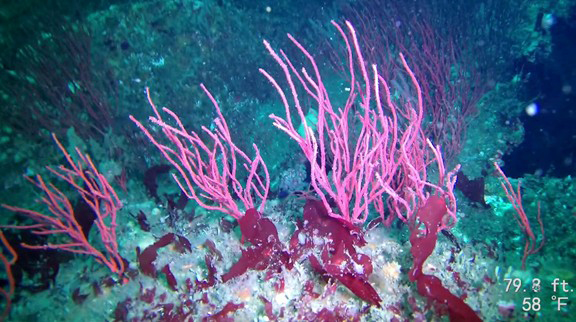
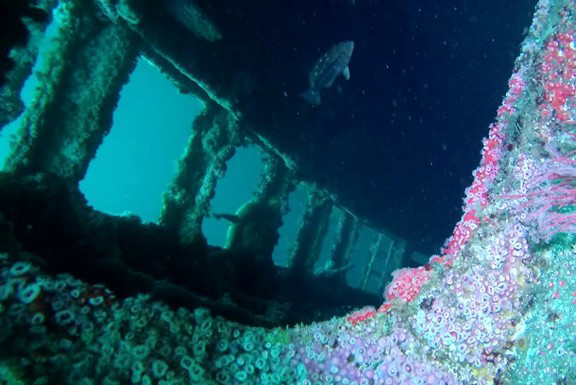
The HMCS Yukon is a 366 ft long former Canadian warship that was sunk in about 100 ft of water off the coast of San Diego, California (32.7800, -117.2853) in 2000 to act as an artificial reef. The first scientific study of the marine life on the Yukon was done in 2005 by the San Diego Oceans Foundation and Dr. Ed Parnell of Scripps Institution of Oceanography. This study documents the current changes in marine biodiversity colonizing the shipwreck since the previous study. High resolution cameras and iNaturalist, a citizen science app maintained by the California Academy of Sciences, were used to inventory the taxonomic diversity of marine life on the HMCS Yukon as of 2020.
The Result
Between 2015 and 2020, 237 observations including 58 species were photographically documented by nine divers and uploaded to the iNaturalist ‘Yukon Marine Life Project’ database [see: References]. Most observed species were sessile or free-swimming fish. Planktonic species were noted but not considered reef inhabitants.
Project Overview
The HMCS Yukon, a former Canadian warship measuring 366 feet in length, was deliberately sunk off the coast of San Diego in 2000 to create an artificial reef. This project aimed to enhance marine biodiversity by providing a habitat for various marine species. The first scientific assessment of marine life associated with the Yukon was conducted in 2005 by the San Diego Oceans Foundation and Dr. Ed Parnell from the Scripps Institution of Oceanography. This initial study aimed to understand the diversity of marine life colonizing the shipwreck, highlighting how valuable artificial reefs can be to underwater ecosystems.
In response to some methodological challenges encountered during the earlier study—particularly regarding the varying skill levels of volunteer divers— Ocean Sanctuaries revamped its approach starting in 2015. Instead of solely relying on diver visual identificaion, we incorporated high-definition cameras to document species during regular dives. This technology shift not only improved the quality and accuracy of data collection but also allowed for a broader inventory of marine life.
The key steps in the updated methodology included:
1. Diver Documentation: Certified divers would capture images of marine organisms without specifically targeting any one species. This appareach is known as the ‘random encounter’ method. This passive approach ensured a more natural representation of the biodiversity present.
2. Data Sharing via iNaturalist: Photographs were uploaded to iNaturalist, a citizen science platform, where an AI tool helped identify species based on extensive databases. Once confirmed by marine biologists, these records were classified as Research Grade.
3. Open Data Access: The data collected remained open-source, making it accessible for both scientific research and public engagement.
Throughout the five-year duration of data collection (2015-2020), divers documented a total of 237 observations across 58 different marine species. Most of these observations included both sessile organisms, like sponges and anemones, and free-swimming fish, indicating a thriving ecosystem around the artificial reef.
The significance of the Yukon project lies in its contribution to understanding the role of artificial reefs in supporting marine biodiversity, especially in areas where natural habitats have been deteriorated or compromised. The project findings suggest that the Yukon is more than just an aggregation point for fish; it supports a functioning ecological community, similar to natural reefs.
Moreover, the data enables researchers to study long-term ecological patterns and succession. This consistent monitoring paves the way for future studies, particularly concerning how artificial reefs may react to environmental stressors like climate change or pollution.
Overall, the HMCS Yukon Marine Life Survey serves as a compelling case study demonstrating how citizen science and innovative technology can be leveraged to advance our understanding of marine ecosystems and inform conservation strategies on artificial reefs.
What was/were the target goal(s) of this project?
To document the accretion of marine life on an artificial reef over a 5 year long period, from 2015-2020
Community
The local community played a significant role in the HMCS Yukon Marine Life Survey through various forms of engagement and participation. Here's how their involvement shaped the project:
Community Involvement
1. Citizen Science Participation: Qualified local volunteer divers, many of whom were trained in marine biology or conservation, engaged in the data collection process. Their participation allowed for a diverse range of observations and contributed to the overall richness of the data gathered.
2. Educational Outreach: The project facilitated educational programs aimed at raising awareness about marine ecosystems and the importance of artificial reefs.
3. Use of iNaturalist: The iNaturalist platform democratized participation, allowing not only divers but also local residents and nature enthusiasts to contribute observations. This broadened community involvement beyond trained scientists and divers, enabling a wide array of individuals to engage in biodiversity documentation.
Influence on the Project
1. Data Enrichment: The involvement of local divers and citizen scientists enhanced the variety and volume of data collected. This grassroots effort provided a more comprehensive picture of the marine life around the Yukon than might have been achieved by professional researchers alone.
2. Increased Awareness: The active participation of the community helped raise awareness of local marine issues, emphasizing the need for conservation and the potential role of artificial reefs in restoring damaged ecosystems. This heightened awareness may lead to increased public support for marine conservation initiatives.
3. Feedback Loops: Community members who dive the Yukon regularly often provided valuable feedback on diving conditions, species sightings, and other important ecological insights. This firsthand information enriched the scientific understanding of the marine environment surrounding the Yukon.
4. Fostering Conservation Efforts: The project likely spurred local conservation efforts by solidifying community members' connections to the marine environment. Involvement in the study encouraged a deeper appreciation for marine ecosystems and may have inspired greater advocacy for protecting these habitats.
In summary, the local community's involvement was crucial to the success of the HMCS Yukon Marine Life Survey. Their participation not only enriched the data collected but also fostered a sense of stewardship for the local marine environment, ultimately influencing conservation efforts and public engagement.
Our Reflections
One notable aspect of the HMCS Yukon Marine Life Survey is the power of community engagement and citizen science. Involving local divers and nature enthusiasts not only enriched the data but also fostered stewardship of the marine environment. Effective communication is key; educational outreach helped build interest and investment in the project.
From a technological perspective, integrating tools like iNaturalist enhanced data collection. The use of AI for species identification streamlined the process and improved data accuracy. However, it’s crucial to provide proper training for participants to ensure reliable data.
A flexible methodology can adapt to challenges, such as poor visibility or extreme depths, which were encountered during the project. Advanced diver qualification is essential for both safety and accurate data collection at this depth.
Encouraging a culture of feedback allowed for continuous improvement. Overall, a collaborative approach can amplify impact and promote sustainable practices, making the project a valuable model for future initiatives.
Anything else you would like to share that could assist others looking to organize their own projects in the future?
Yes. It is crucial that divers be Advanced Level and comfortable sampling data at 100 ft., due to the hazardous conditions on the wreck. Specifically, no diver should penetrate inside the ship without proper training.
Bear, M., et. al (2025), HMCS Yukon: A Case Study in Marine Citizen Science, Community Science Exchange, https://doi.org/10.1029/2025CSE000102. Published 11 August 2025.
From the Editor
The HMCS Yukon case study in marine citizen science illustrates how a community can effectively support critical research about a local ecosystem. In this project local divers and citizen scientists helped collect data to provide a more comprehensive picture of the biodiversity fostered by a sunken ship. The effort promoted increased awareness of the need for conservation and the value of artificial reefs. It encouraged a deeper appreciation for marine habitats that need protection, while enriching the scientific understanding of the marine environment. This case study highlights how community members can be active participants in researching their local environment, multiplying efforts to effectively further scientific discoveries, education, and conservation that benefit the community.
—Kathryn Semmens, Deputy Editor
Project Team


About Us
The Community Science Exchange is a platform led by a coalition of partner societies, launched for elevating, sharing, and expanding the reach of science performed by, for, and with communities.