Two Ways to Share Your Science
The Community Science Exchange is home to the Community Science journal and the Hub.
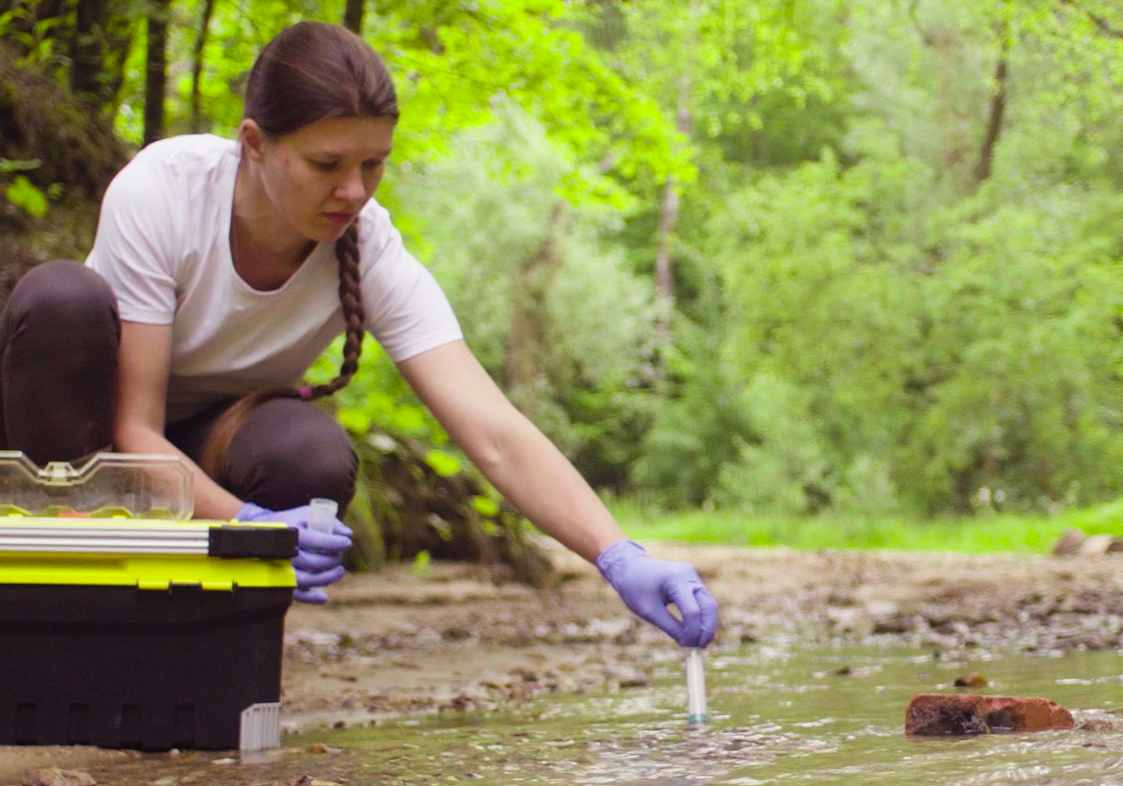
The Hub
An editor-vetted and authenticated multimedia resource center for people from all kinds of professional and community backgrounds to learn about, engage in and share the processes, impressions and results of community science.
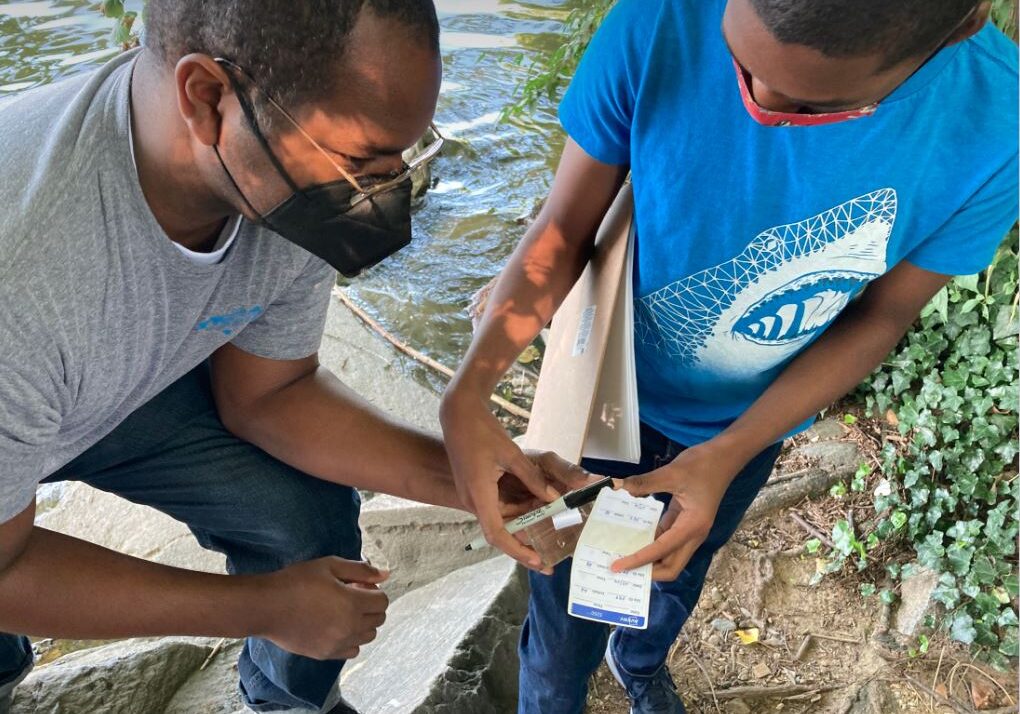
Peer Reviewed Journals
The Community Science Exchange publishes the journal Community Science and is proud to partner with the journal Citizen Science: Theory and Practice.
Hub Submission Guidelines
The Hub publishes four content types: project descriptions, protocols and methods, tools and resources, and educational materials.
All Hub submissions should be written for someone with general scientific knowledge and an overall awareness of community science. Please include any specific information about the community involved and context necessary for the reader to understand the project and its outcomes. Submit your content through our Hub submission form.
See below for guidance on the types of submissions welcomed by the Hub; feel free to contact the editors directly about the fit of your materials at [email protected].
DOIs and Sharing
Materials not yet published with a persistent identifier (e.g., DOI) elsewhere are eligible to receive a DOI when published on the Hub. Materials previously published elsewhere can be submitted to any category here, but will only be re-shared on the Hub if original copyright allows.
Only primarily text-based media will receive a DOI; data and software should be shared in a FAIR-compliant repository.
Submission Types
Format: Materials can be in any format: written, audio, video, graphic novel-style, even artistic representations.
Style: Submissions should be prepared for a broad audience that includes scientists, researchers, community members, practitioners, and people who apply science in local decisions and planning. Strive for a style that is approachable, clear and readily accessible to the public.
For a full description of each Submission Type, please refer to the Hub webpage.
Project Descriptions
These narratives tell the story of a community science project. Project descriptions include reports and case studies and should include:
- A description of the community involved,
- A summary of the relevant science and community knowledge contribution to the project,
- A list of the key project personnel and the roles they played,
- The project goals, methods (organizational, scientific), key personnel involved, any adaptations made over the course of the project, scientific and community outcomes and results, reflections, lessons learned, or broader impacts of the project, and next steps or future directions.
Protocols and Methods
Protocols and methods describe how you and your team have done community science work. They may range from overall approaches for designing and carrying out a community science project (e.g. a guidebook for communities who want to engage in community science) to specific protocols for particular activities that are part of community science (e.g. a sample community agreement or IRB, or a description of a process for co-creating an IRB). A protocol or method focuses on processes, while a tool or resource (below) is something you might use in that process. Submitted protocols and methods should include:
- A description of the method, where it fits into a project lifecycle, and evidence of its effectiveness,
- Who was involved in creating the method,
- Evidence of community and scientific engagement in creation.
Tools and Resources
The Hub hosts descriptions of tools and resources for doing community science, including of data sets, visualization tools, or apps. Tools and methods should have been used successfully in a community science project.
Educational Materials
Educational and instructional materials are those explicitly designed for use in education or training in community science. Examples could include handouts, textbooks or textbook chapters, online instructional materials, curricula, and guidebooks. Submissions should include:
- A description of the resource,
- A list of contributors to the resource,
- A guide to using the resource effectively, including the educational audience it is intended for and any evaluative information, if applicable.
Other
The Hub is an evolving and open framework. If you have questions about these article types or have a community science input, product, or artifact that doesn’t seem to fit into one of these categories, please email [email protected].
REVIEW PROCESS
The Deputy Editor for the Hub will assign all content-appropriate and complete materials to a Community Science Exchange editor for review. If needed, the editor will enlist the help of other reviewers. Authors may be asked to revise their submissions according to reviewer suggestions.
Accepted submissions will be uploaded to the Hub. The corresponding author will receive a letter of acceptance indicating material location on the Hub, search tags and citation instructions.
About Us
The Community Science Exchange is a platform led by a coalition of partner societies, launched for elevating, sharing, and expanding the reach of science performed by, for, and with communities.